Travelling Solo When the World Wasn’t Built for You
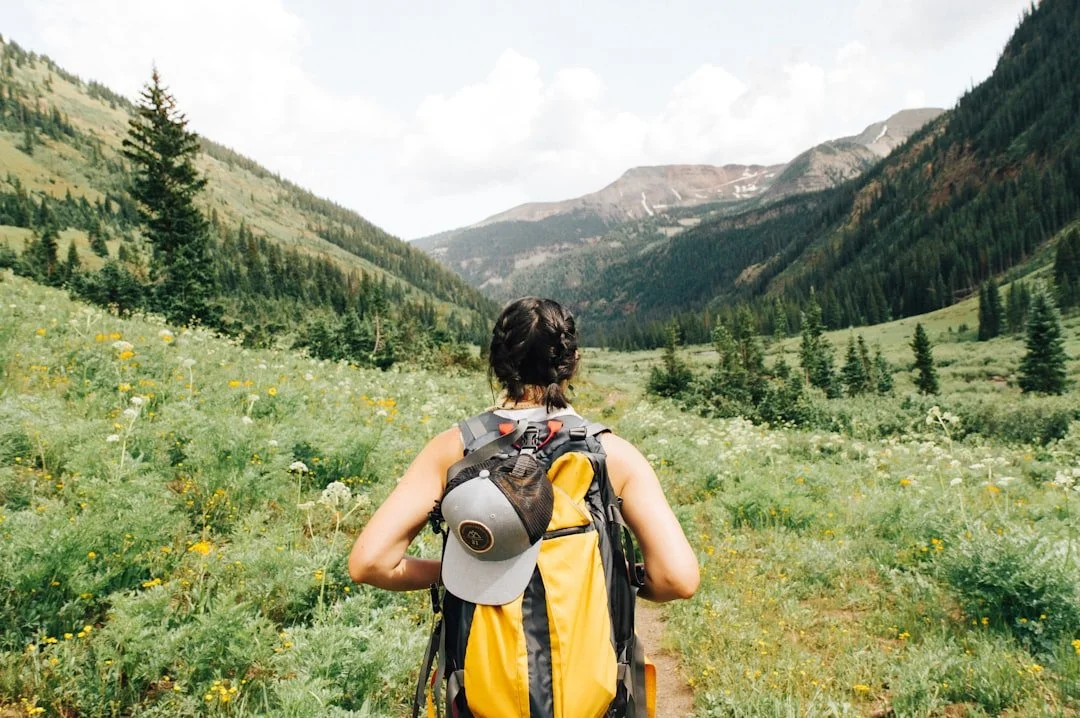
Photo by Holly Mandarich on Unsplash
I was thinking about how many times people have asked me, quietly or loudly, some version of: Aren’t you scared?
Not in a judgmental way. Not always. Sometimes it’s wrapped in concern. Sometimes it’s disguised as logistics. Sometimes it’s just someone projecting their own fear onto your very normal desire to get on a plane and go somewhere that isn’t home.
And I think that’s why this conversation stuck with me.
Because when I sat down with Ninoshka Pais, founder of Ninoshka Travels, we weren’t really talking about travel logistics. We were talking about what it means to move through the world when it wasn’t designed with you in mind — and still choosing to go anyway.
I met Ninoshka through the founder of Nayla Magazine, Vaishna Rajakumar. I was looking for guests for my Safe Passages Substack, which has monthly guests share travel and digital safety. Ninoshka traveled solo to more than 35 countries, holds a master’s in management with a focus on innovation and entrepreneurship, and somehow manages to talk about all of this without sounding preachy, glossy or like she’s trying to sell you a dream life.
She’s practical. She’s thoughtful. And she’s very clear-eyed about risk, especially for women, and especially for BIPOC women.
How The Love of Solo Travel Began
Ninoshka’s travel story didn’t start with some ‘Eat Pray Love’ fantasy. It started with a backpacking trip to Europe with her sister when she was seventeen. One backpack. Just… going.
Then came a semester abroad in New Zealand. And then the moment many solo travellers hit eventually: the realization that if you wait for someone else to come with you, you may never go.
So she went alone.
What surprised her wasn’t the travel itself. It was the reaction when she came home.
How do you afford this?
Aren’t you worried about your safety?
What does your family think?
What’s your plan for your life?
That last one always sneaks in, doesn’t it?
The subtext being: This is temporary. This is irresponsible. This is not a real way to live.
And the question that came up over and over again, the one that always does , was safety.
Why Representation Isn’t a “Nice to Have”
After a long solo trip through Southeast Asia, Ninoshka noticed something that would eventually become the backbone of her research.
She didn’t see many women who looked like her.
And when she did, it felt like a rare sighting. The kind where you lock eyes with another BIPOC woman across a hostel common room and immediately feel less alone.
During her master’s program, she decided to study why.
Here’s what she found:
58% of women globally who travel are solo travellers
BIPOC women do make up a massive portion of that market
And yet, they see themselves represented in only about 2% of mainstream travel marketing
That gap matters.
Because representation isn’t just about ads, it’s about information. It’s about cultural nuance. It’s about knowing what it actually feels like to be a brown woman, a Black woman, an Indigenous woman, navigating borders, security lines, social expectations, and safety concerns that don’t show up in generic blog posts.
Ninoshka talked about trying to research destinations “as a brown woman” and finding… almost nothing. So she did what many of us do: relied on fragmented networks, personal messages, whispered advice, and a lot of doing it scared.
That’s where Ninoshka Travels was born.
What “Safety” Actually Looks Like on the Ground
One of the things I appreciated most about this conversation is that we didn’t stay theoretical.
We talked about real situations. Messy ones. The kind you replay later and think, Okay, that could have gone very differently.
I shared a story from Dubai, a place notably labelled as “very safe.” A situation involving a driver, trust built over hours, and a moment where a line was crossed when someone was isolated.
Ninoshka’s response wasn’t alarmist. It was grounded and humbling at the same time. Thank goodness I was not alone, I was with my friend. We did the right things when we were put in a scary situation. But at the same time, we should not have been in that situation in the first place.
We continued discussing other tips we heard from other solo female travellers, from business to leisure travel. Some of the practical strategies shared during our conversation (and that we both live by):
Never tell anyone you’re travelling alone
Say someone is waiting for you, even if no one is
Use fake phone calls if you need to
Trust your gut immediately, not after you’ve talked yourself out of it
Walk away, even if someone gets angry
Stay in public spaces when something feels off
She also made a point that stuck with me:
Sometimes the places labelled “safest” are labelled that because they are safe for men, not considering what is safe for women, certainly not women of colour.
Culture, Clothing, and the Stuff Google Can’t Answer
We talked a lot about the kind of questions that don’t show up in standard travel guides.
Can I wear this here?
Should I cover my hair?
Is it safe to be visibly queer here?
How much PDA is acceptable (especially if we are not legally married)?
I shared my experience living in Dakar, Senegal, where a Muslim-majority country and beach culture coexist. At first, the women in our group were more cautious. We covered up more to make sure we stayed respectful and to not draw attention to ourselves. We soon discovered that there was a relaxation that the locals embraced foreigners and tourists. They respected us as we wore bathing suits on the way to the beach. In return, we respected them by learning some local terms, and haggled our way for surfing lessons and taxis, etc.
It takes time, but it shows that being respectful does not always mean being restrictive.
These are the resources Ninoshka wants to build:
Not rules. Not fear-based warnings.
But lived experiences shared by people who’ve actually been there.
Including voices from LGBTQ+ travellers, trans travellers, and people navigating multiple identities at once.
Passport Privilege and Starting Where You Are
We also talked about something I care deeply about on this show: passport privilege.
Ninoshka was very clear about having a Canadian or U.S. passport, which opens doors that many people don’t have access to. And even within that privilege, access isn’t distributed evenly.
But she also pushed back against the idea that travel only “counts” if it’s international.
Curiosity can start locally.
Different cities. Different regions. Different ways of living within your own country.
Especially for those who feel boxed in by family expectations, caregiving responsibilities, or cultural norms that discourage solo travel, sometimes the first step isn’t leaving the continent. It’s leaving the familiar.
Family, Guilt, and Doing It Anyway
So many women, especially BIPOC women, carry the weight of family responsibility in a way that makes travel feel selfish.
Ninoshka hears this all the time:
I can’t leave my parents.
I can’t go alone.
That’s not something women do in my culture.
Her advice isn’t dismissive. It’s compassionate.
Have a plan. Share it. Bring facts, not just feelings. Reassure the people who love you without shrinking yourself.
And remember: autonomy is a muscle and solo travel builds it fast.
Ninoshka Travels (and What’s Coming Next)
Ninoshka is building something intentionally slow and community-driven.
Right now, you can find her on Instagram and in her BIPOC Solo Female Traveler Facebook group for a space to gain shared resources, questions, and support.
Soon, she’s launching a full membership platform that will include:
Destination-specific safety resources
Community-vetted tips and cultural context
Hybrid solo/group trips
Events and peer mentorship
This isn’t about telling women to be fearless. It’s about helping them be prepared.
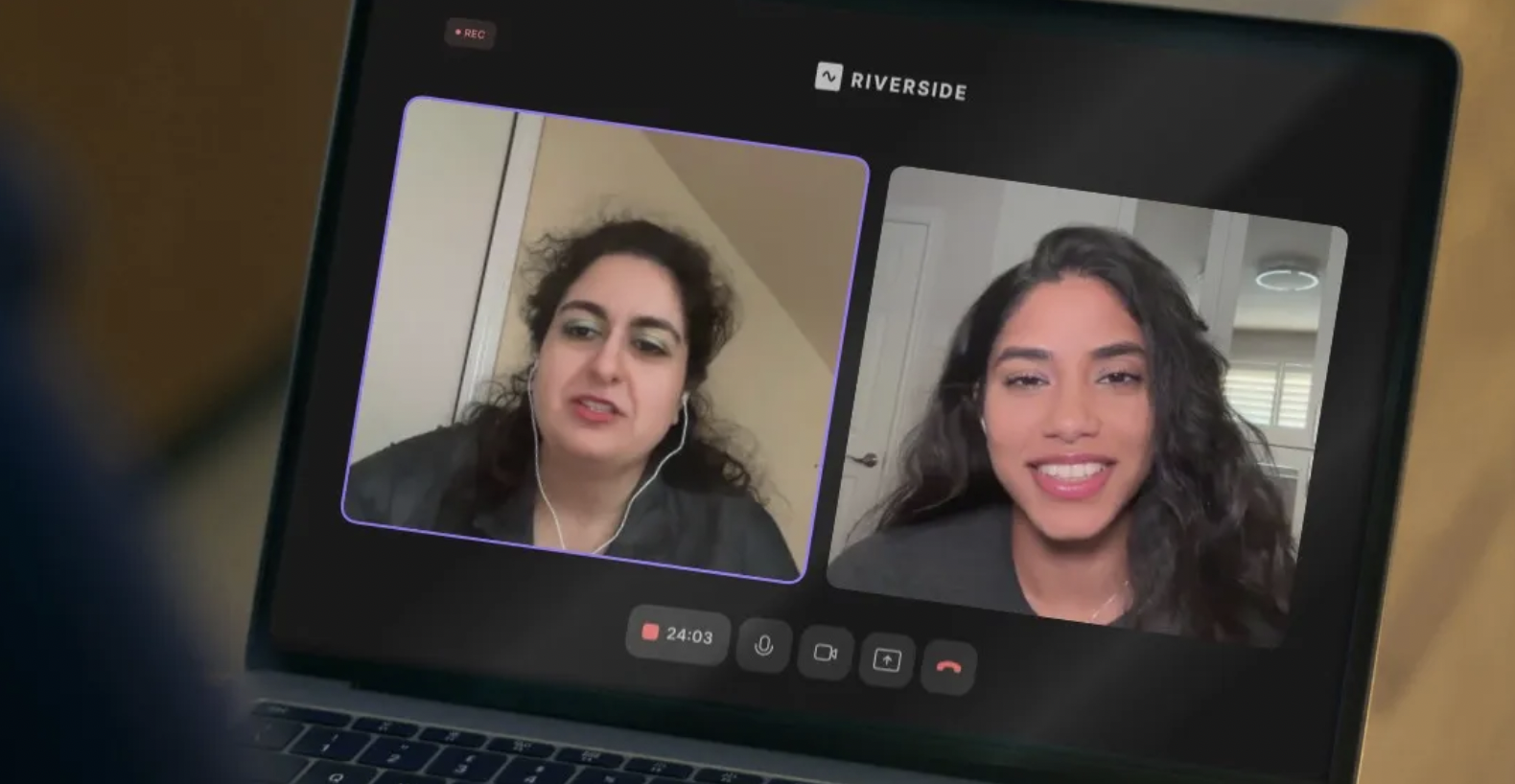
Tara Jabbari and Ninoshka Pais (from left to right) on the Safe Passages Substack. || Credit: Tara Jabbari
Listen to the full episode on Safe Passages Substack out now on most podcast platforms, including YouTube and Spotify.
Links to Ninoshka Travels, her community, and resources will be in the show notes.
Tara also has another Substack about her fitness journey in Thailand called The Recomp Journey.